
Fun and Easy Non-Food Sensory Bin
Have you ever noticed how toddlers and preschoolers light up when they discover a new way to explore textures, shapes, and colors? A Non-food Sensory Bin can transform simple playtime into hours of hands-on fun, learning, and creativity!
Today, I’m excited to share an easy DIY non-food sensory bin idea that’s perfect for toddlers and preschoolers. Using colourful straws, pom-poms, beads, and even feathers, this sensory activity will not only capture your child’s attention but also support their fine motor skills, cognitive development, and imaginative play.
A non-food sensory bin is one of the most versatile tools you can add to a toddler classroom or home play area. Unlike edible sensory play, these bins are safe, mess-free, and reusable, offering endless possibilities for creative exploration. Imagine your little one discovering the feel of soft pom-poms, scooping multicoloured beads, or sorting feathers into cups, all in a single non-food sensory bin!
This post will guide you step by step in creating your own non-food sensory bin, provide plenty of ideas for preschool lessons and sensory table activities, and inspire you with unique non-food sensory bin fillers for every season, from fall non-food sensory bin preschool setups to spring sensory bin non-food themes. By the end of this post, you’ll be ready to set up a sensory bin non-food adventure that’s fun, educational, and completely safe!
Pin This Post For Later:

Why Non-food Sensory Bins Are Perfect for Toddlers and Preschoolers
- Safe and Mess-Free: Unlike edible sensory play, a non-food sensory bin keeps play clean while still being engaging.
- Supports Fine Motor Development: Scooping, pouring, and sorting help toddlers strengthen hand-eye coordination.
- Encourages Imaginative Play: Children can create stories and scenarios using non-food sensory bins for preschool activities.
- Reusable Materials: Items like pom-poms, straws, and craft sticks can be reused multiple times.
- Seasonal Adaptability: Non-food bins work for fall sensory bin preschool non-food, winter sensory bin non-food, and even themed Halloween sensory bin non-food activities.
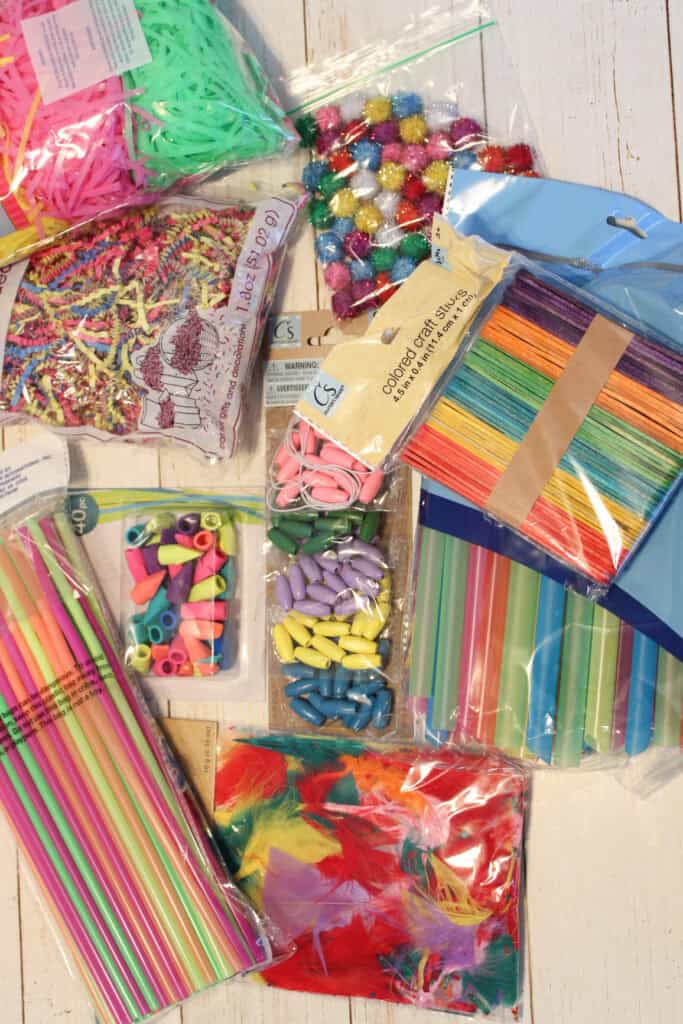
Supplies You’ll Need for a Non-food Sensory Bin
Creating a non-food sensory bin is easier than it sounds! Here’s a list of supplies you can gather before starting:
- Bendable Straws: Cut into thirds or quarters to add flexibility and variety.
- Bubble Tea Straws: Offer a different texture and diameter for sensory exploration.
- Easter Basket Grass (Multicolored): Provides a soft, crinkly texture that appeals to little hands.
- Colored Craft Sticks: Great for sorting, stacking, and counting activities.
- Pom Poms (Multicolored): Soft and squishy, perfect for grasping and transferring.
- Beads (Multicolored): Introduce fine motor skills through threading or scooping.
- Mini Erasers (Multicolored): Fun shapes that spark imagination and storytelling.
- Feathers (Multicolored): Light and airy, adding a tactile contrast to other materials.
- Decorative Crinkled Paper (Multicolored): Adds crunch and color, enhancing auditory feedback.
- Sensory Bin: A shallow plastic container to hold all the materials.
- Scissors: For cutting straws and other materials as needed.
- Tongs, Cups, Scoops, Spoon: Tools to encourage fine motor development and imaginative play.ons
Tip: Any bright-colored item will work! The possibilities for non-food sensory bin fillers are endless, so feel free to get creative.
Some of these links are affiliate links meaning if you purchase from these links, I will earn a commission at no extra cost to you. Everything I share is my own opinions and things I personally use and love. You can learn more by reviewing my disclosure. As an Amazon affiliate, I earn from qualifying purchases.
Step-by-Step Directions for Your Non-food Sensory Bin
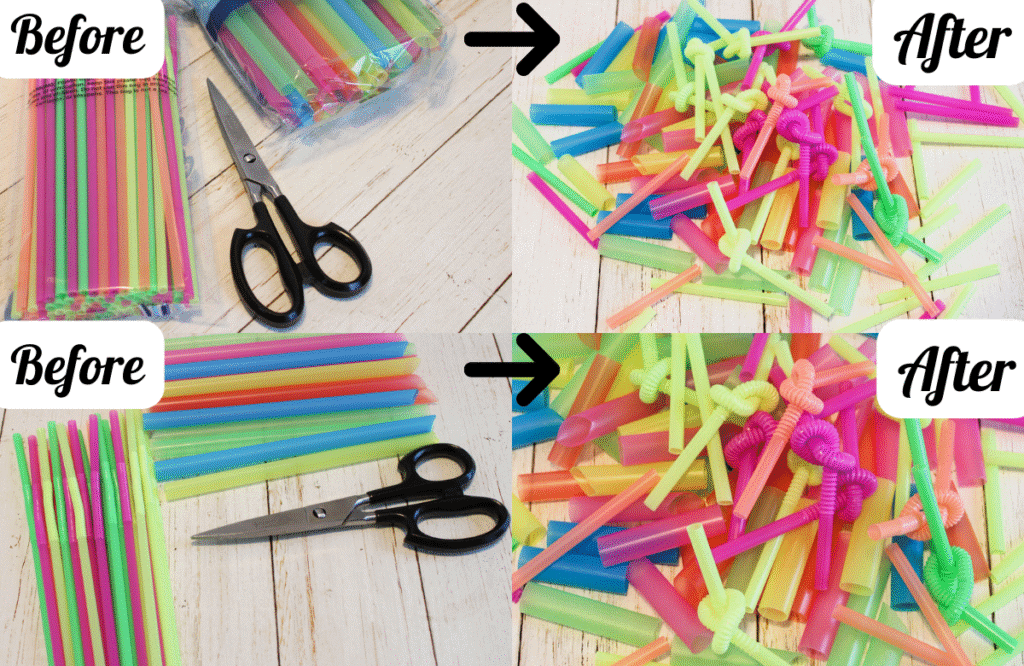
- Prepare the Materials:
- Cut the bendable and bubble tea straws into smaller pieces.
- Arrange all materials within easy reach.
- Assemble the Bin:
- Place the Easter basket grass at the bottom of the sensory bin.
- Add the colored craft sticks, pom poms, beads, mini erasers, feathers, and crinkled paper on top.

- Introduce Tools:
- Include tongs, cups, scoops, and a spoon to encourage various activities like sorting, scooping, and transferring.

- Engage and Explore:
Pro Tip: Rotate non-food sensory bin fillers and preschool materials regularly to maintain interest.
Creative Non-food Sensory Bin Ideas
There are countless ways to set up non-food sensory bins for toddlers. Here are a few ideas to inspire you:
- Color Sorting: Use cups and tongs to sort beads, pom-poms, and craft sticks by color.
- Feather Discovery: Add multicolored feathers for a light, tactile experience.
- Straw Shapes: Let toddlers create patterns or build small shapes using cut-up straws.
- Mini Eraser Hunt: Hide mini erasers and encourage children to find them using tongs or scoops.
- Crinkled Paper Surprise: Layer crinkled paper under other materials for a tactile digging experience.
- Seasonal Sensory Fun: Set up non-food fall sensory bins, spring sensory bin non-food, or Halloween sensory bin non-food using themed items.
Benefits of Non-food Sensory Bins for Early Learning
- Promotes Cognitive Skills: Sorting, counting, and pattern-making develop early math concepts.
- Encourages Language Development: Talk about colors, shapes, and textures while playing.
- Enhances Fine Motor Skills: Using tongs, scoops, and fingers strengthens hand muscles.
- Supports Emotional Regulation: Sensory play can calm toddlers and preschoolers.
- Facilitates Social Play: Kids can take turns, share materials, and collaborate in a toddler classroom or playgroup.

Tips for Maintaining Clean Non-food Sensory Bins
- Choose washable or reusable materials for a clean sensory bin experience.
- Store items in separate containers to prevent loss and mix-ups.
- Encourage children to clean up after play, teaching responsibility.
- Avoid edible materials if you want a messy play sensory activities session without sticky cleanup.
- Rotate non-food sensory bin fillers seasonally to keep learning fresh.
Sensory Table Activities Preschool-Style
Non-food sensory bins aren’t just for home, they are fantastic for preschool classrooms:
- Colorful Sensory Bin Ideas: Mix feathers, beads, and craft sticks for engaging visual stimulation.
- Plastic Sensory Bin: Use sturdy plastic bins for easy handling and durability.
- Sensory Boxes: Create multiple small boxes for different themes.
- Yarn Sensory Bin: Add short yarn pieces to explore textures and patterns.
- Sensory Table: Encourage group play at a table, letting kids scoop, pour, and sort.
- Non Food Sensory Table Ideas: Rotate fillers based on the season, holiday, or educational theme.
Seasonal Non-food Sensory Bin Ideas
- Fall Sensory Bin Preschool Non-food: Add orange, brown, and yellow craft sticks, pom-poms, and leaves.
- Winter Sensory Bin Non-food: Include white pom-poms, shiny beads, and snowflake cut-outs.
- Spring Sensory Bin Non-food: Use pastel-colored straws, feathers, and grass.
- Halloween Sensory Bin Non-food: Add mini erasers shaped like pumpkins, black and orange crinkled paper, and spooky feathers.
Combining Non-food Sensory Bins with Learning
- Counting & Sorting: Encourage toddlers to count beads or sort by color.
- Pattern Recognition: Use craft sticks or straws to create simple patterns.
- Imaginative Storytelling: Let children build small scenarios using erasers, pom-poms, and feathers.
- Fine Motor Challenges: Use tongs and spoons to transfer items from one container to another.
- Preschool Lessons: Incorporate seasonal or thematic elements to align with curriculum goals.
Safety and Cleanliness Tips
- Avoid small items for children under 3 years old to prevent choking hazards.
- Supervise all toddler sensory bins activities.
- Clean plastic bins and materials regularly.
- Use sensory tubs that are sturdy and easy to wash.
- Rotate fillers to maintain hygiene and interest.
Final Thoughts on Non-food Sensory Bin
A non-food sensory bin is a simple yet incredibly effective way to engage toddlers and preschoolers in sensory play, fine motor development, and imaginative learning. With inexpensive materials like straws, pom-poms, beads, and feathers, you can create endless non-food sensory bin ideas for every season and theme. These bins are perfect for sensory table activities preschool, toddler classroom setups, and clean sensory bins at home.
Remember, the key to a successful non-food sensory bin is variety and creativity. Rotate fillers, add new textures, and encourage children to explore on their own or in small groups. This hands-on activity not only entertains but also educates, helping toddlers build essential developmental skills while having a blast!
So, gather your supplies, set up your non-food sensory bin, and watch as your little ones dive into a world of discovery, learning, and playful exploration. Your next favourite non-food sensory bin adventure awaits!
Check out these other sensory bin ideas:
Check out other fun sensory bottle ideas:
- Calming Sensory Bottle
- Sensory Bottle with Hair Gel
- Unicorn Sensory Bottle
- I Spy Sensory Bottle
- Pom Pom Sensory Bottle
- 4th of July Sensory Bottle
- Butterfly Sensory Bottle
- Magnetic Sensory Bottle
- DIY Rain Stick Shakers
- Summer Sensory Bottle
- Easter Sensory Bottle
- Fall Sensory Bottle
- Winter Find-And-See Sensory Bottle
- Calming Sensory Bottle


